Unified AODB and Flight Information Management
Airport Operational Database: The Flight Data Backbone
Every announcement, every display, every passenger update depends on accurate flight information. Airport CX provides a unified airport operational database (AODB) that serves as the real-time flight information system powering all passenger communications. But flexibility matters: if you already run an AODB, Airport CX can connect to yours just as easily, and extend it with advanced flight management features.
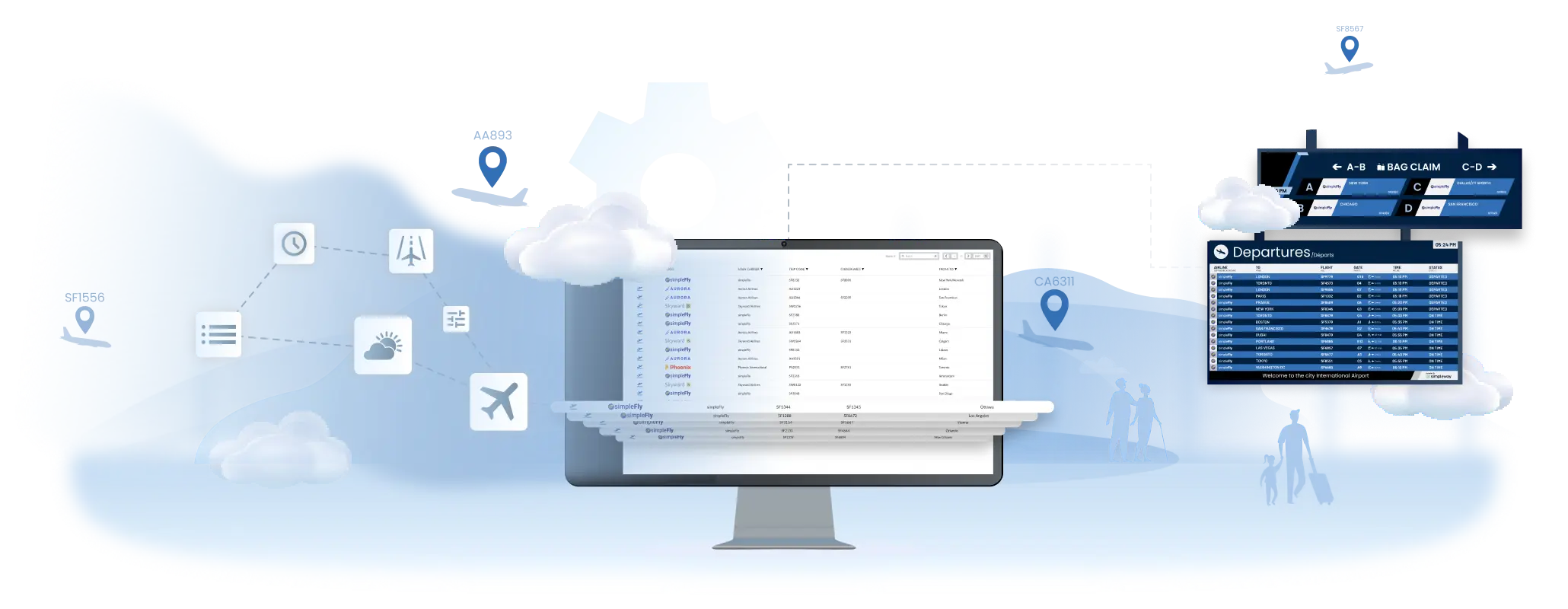


Integrated AODB Flight Management
Airport CX comes with integrated AODB built-in-a complete airport operational database providing flight data management from day one. Flight schedules, gate assignments, and operational data are included without separate vendor contracts.
Already running an airport operational database? Airport CX provides AODB integration with Amadeus, SITA, Collins AirPlan, or any existing flight database through standard protocols.
Your included AODB feed powers everything:
FIDS displays across all terminals
Status-driven announcements
Contextual advertising
Dynamic wayfinding
Manage and Adjust Flight Data When Needed
Airport CX doesn’t stop at reading the AODB feed. It lets you manage, adjust, and create flights directly when needed:
Create flights from scratch
Configure new flights with all required parameters.
Edit existing flights
Adapt trip details to operational needs in real time.
Support special scenarios
Charters, diversions, seasonal routes, or special events.
Airline agent access
Restricted permissions for airlines to edit only their own flights.
Fill data gaps
When external data is missing or late, Airport CX keeps passengers seeing correct, up-to-date information.
This flexibility means your AODB remains the backbone, but Airport CX keeps your airport in full control of what passengers see and hear.

Beyond Flight Schedules
As your airport data hub, Airport CX AODB covers far more than basic timetables. The single source of truth for flight data feeds every downstream system:
Gate and stand assignments
Baggage belt allocations
Estimated vs. actual times for operational planning
Feeding data into SCADA and monitoring systems
Automated scenarios for delays, diversions, or cancellations

One AODB. Every Screen. Every Announcement.
Discover how Airport CX creates better experiences that delight passengers and give airports unified, intelligent flight information management.
Choose Your Focus
Elevated Travel Experience
Passengers don’t care where the data comes from — they care that it’s clear and consistent.
Airport CX delivers:
Real-Time Updates
Up-to-the-second updates across displays and announcements.
Unified Messaging
Consistent messaging across all channels.
Disruption Management
Reduces confusion and stress during disruptions.
Multilingual Support
Multilingual clarity when combined with CMS & announcements.

Power Your Operations
Choose unified AODB and flight information management for operational excellence.
Airport CX delivers:
Flexible Control
Create, edit, or override flights directly in Airport CX.
Operational Coverage
Handle charters, diversions, and non-standard flights with ease.
Trusted Worldwide
Deployed at airports from regional hubs to major internationals.
Preferred AODB Feed
Airport CX comes with its own integrated AODB, but can also connect to yours.
Scalable
Start with flight schedules and expand into full operational management.

AODB as the Backbone, Airport CX as the Control Layer
With Airport CX, flight data becomes the foundation for all passenger communication:
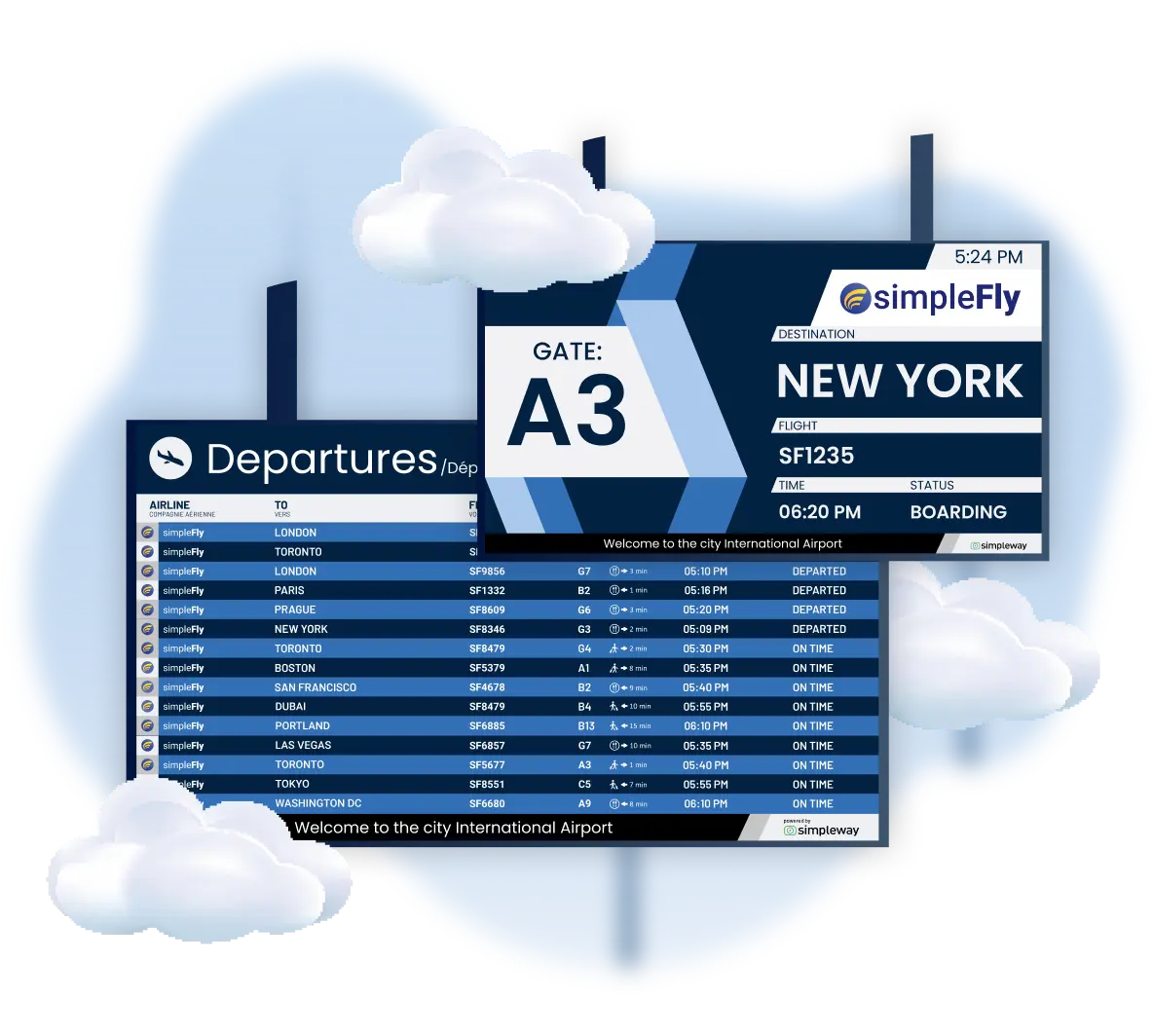
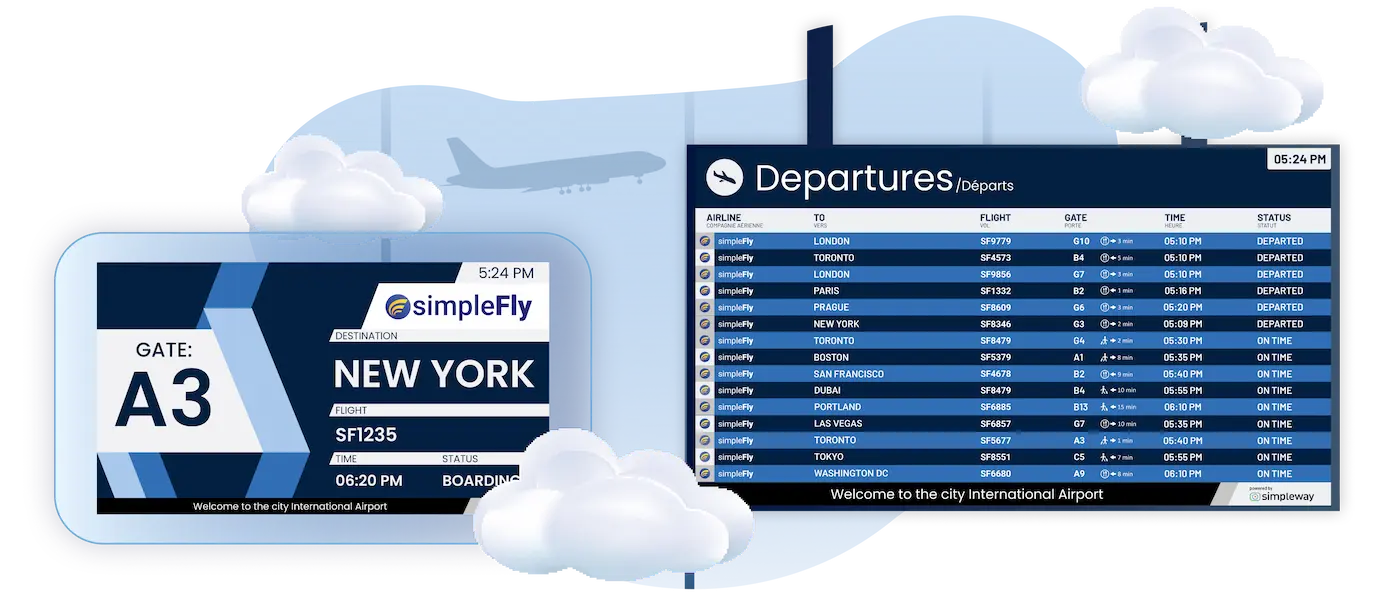
Flight Information Display System (FIDS)
Departures and arrivals in real time across every display.

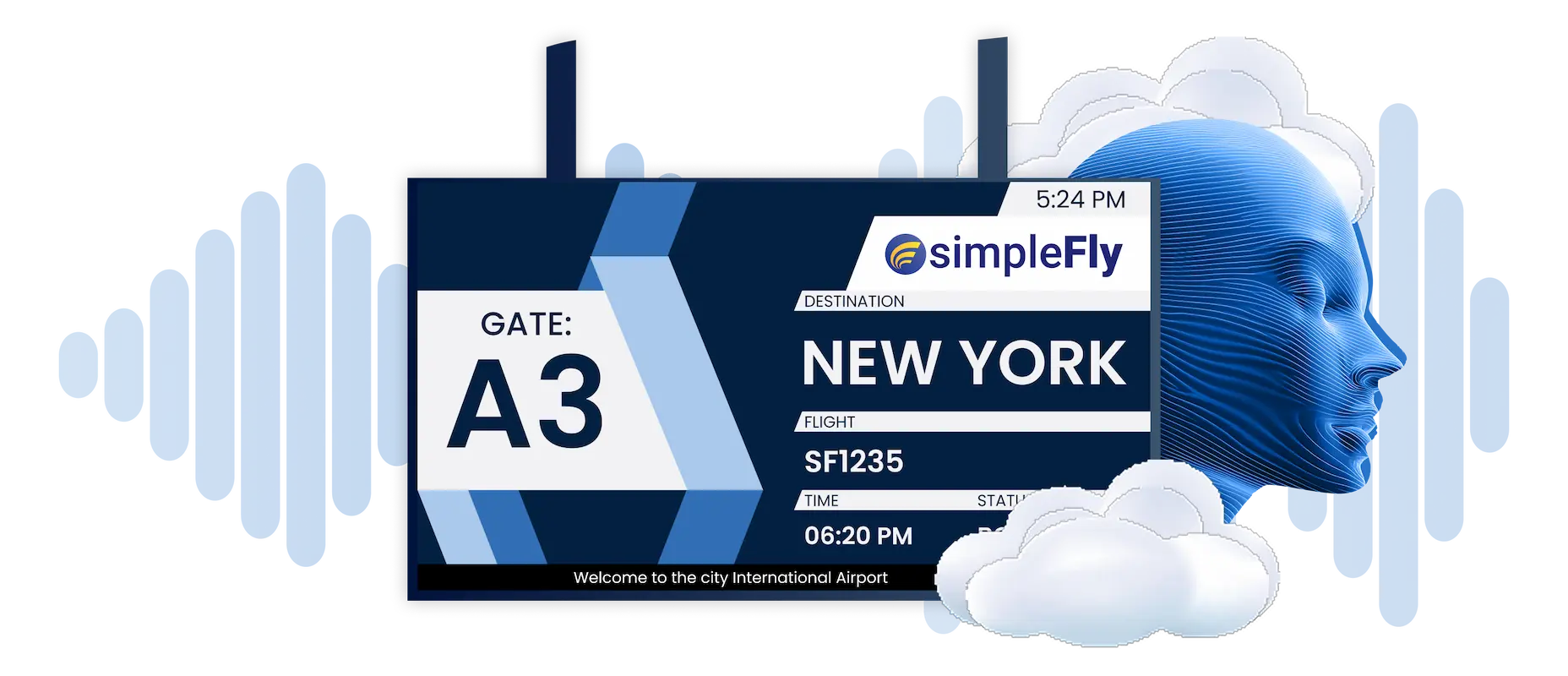
Intelligent Voice Announcement System
Synchronized voice messages triggered by flight status.

Guide Passengers With Wayfinding Signage
Directing passengers to gates, belts, lounges, and transport.

Airport Advertising Campaigns Management
Contextual promotions linked to destinations or schedules.
But real-world operations aren’t always perfectly covered by AODB data. That’s where Airport CX adds the control layer, keeping information accurate, complete, and passenger-ready.
Why Airports Choose Unified AODB and Flight Information Management
Flight data powers every display and announcement across your terminal. Airport CX delivers integrated AODB functionality built directly into the platform while maintaining full compatibility with your existing systems.
Flexible Control
Create, edit, or override flights directly in Airport CX
Preferred AODB Feed
Airport CX comes with its own integrated AODB, but can also connect to yours

Operational Coverage
Handle charters, diversions, and non-standard flights
Scalable
Start with flight schedules and expand into full operational management
Synchronized Audio & Visual
Dive Deeper with Unified Airport Communications





Start The Conversation, We’re Ready When You Are
.webp)
Frequently Asked Question
Got questions? We’ve got answers.
Airport CX includes a complete AODB built-in-no separate vendor required. Flight schedules, gate assignments, and operational data are available from day one. If you already operate an airport operational database from Amadeus, SITA, Collins, or another provider, Airport CX integrates with that system instead. Either approach delivers the unified real-time flight information across all displays and announcements.
Once Airport CX receives updated flight data, changes propagate across all displays and announcements within seconds. The end-to-end update speed depends on your data feed configuration-both the built-in AODB and external providers like Amadeus or SITA offer different refresh frequencies.
Airport CX provides full flight schedule management capabilities. Operations can create flights from scratch, edit existing flight details, and override AODB data when needed. This handles scenarios the external AODB doesn't cover: charter operations, diversions, last-minute schedule changes, and special events. When external data is missing or delayed, passengers still see accurate information.
Airport CX supports airline agent flight access with restricted permissions. Airlines can edit only their own flight data - updating status, gate changes, or timing - while maintaining overall data integrity controlled by airport operations. This distributed model reduces operational load while ensuring the airport operational database remains the authoritative source for all passenger-facing communications.
Charter flight management is built into Airport CX. Operations staff create ad-hoc flights directly in the system with all required parameters-times, gates, airline codes, destinations. These integrate seamlessly with scheduled flights for consistent passenger information. Diversions and emergency reroutes update across all systems immediately, ensuring passengers receive accurate gate and timing information regardless of flight origin.